
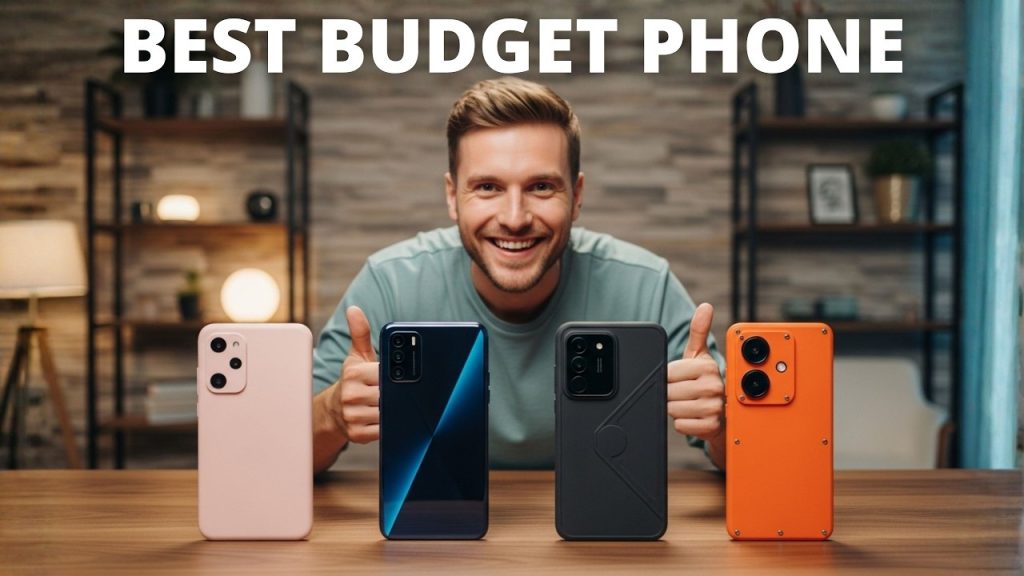
Buying a smartphone today can feel overwhelming. With dozens of brands, countless specs, and prices ranging from under $200 to well over $1,500, it’s easy to overspend—or worse, end up with a phone that doesn’t meet your needs. The good news? You don’t need to be a tech expert to make a smart choice. By focusing on what truly matters for your lifestyle and budget, you can find a phone that delivers great performance without breaking the bank.
In this guide, we’ll walk you through the essentials of choosing the right phone for your budget, with a special focus on three critical factors: RAM, battery life, and overall spending strategy. Whether you’re a light user who mainly texts and scrolls social media or a power user who edits videos and plays demanding games, this guide will help you cut through the noise and make a confident decision.
How Much RAM Is Enough for a Smartphone?
RAM (Random Access Memory) is one of the most misunderstood specs in smartphones. Many people assume more RAM always means better performance, but that’s not necessarily true. RAM determines how many apps your phone can keep open in the background without slowing down. If you frequently switch between apps or use memory-intensive applications, having enough RAM is crucial for a smooth experience.
The Sweet Spot in 2025–2026
As of 2026, 8GB of RAM is the sweet spot for most smartphone users. This amount provides excellent performance for everyday tasks like browsing, streaming, social media, messaging, and even moderate multitasking. Phones with 8GB can comfortably keep 5–8 apps active in the background without noticeable lag.�
For light users—those who primarily use their phones for calls, texts, web browsing, and occasional social media—6GB of RAM is still sufficient in 2026. However, entry-level phones with 6GB are becoming less common as manufacturers push toward 8GB as the new baseline.�
When to Consider More RAM
If you fall into any of the following categories, you may benefit from 12GB of RAM or more:
Heavy multitaskers: If you regularly keep 10+ apps open or frequently switch between demanding applications.
Mobile gamers: Modern games like Genshin Impact, Call of Duty Mobile, and PUBG require significant memory for smooth gameplay at high settings.
Content creators: Editing 4K videos, working with large photo files, or using professional apps like Adobe Lightroom or LumaFusion.
Future-proofing: If you plan to keep your phone for 4+ years, 12GB ensures your device remains responsive as apps become more demanding.�
Some flagship phones now offer 16GB or even 24GB of RAM, but these are generally overkill for most users. Unless you’re running local AI models, doing multi-track video editing, or have very specific workflow needs, the extra cost rarely translates to noticeable real-world benefits.�
RAM and On-Device AI
One emerging consideration is on-device AI. Newer phones use AI for features like real-time translation, enhanced photography, and voice assistants that work without internet. These AI models require additional memory, making 12GB a better choice if you want access to the latest AI-powered features.�
Practical Advice
Budget shoppers: Look for phones with at least 8GB of RAM. Avoid 6GB unless you’re on an extremely tight budget and only do basic tasks.
Mid-range buyers: 8GB is ideal. It offers the best balance of performance and value.
Flagship seekers: 12GB is recommended, especially if you want AI features or plan to keep the phone long-term.
Don’t overspend: 16GB+ is only worth it if the price difference is minimal or if it comes bundled with extra storage you’ll actually use.�
How Long Should a Smartphone Battery Last?
Battery life is arguably the most important factor in day-to-day satisfaction with a smartphone. No matter how powerful your phone is, it’s frustrating if it can’t make it through a full day without needing a charge.
Daily Battery Expectations
A healthy, modern smartphone should last a full day on a single charge with typical use. This translates to roughly 8 to 12 hours of active screen time or 16 to 24 hours of mixed usage (including standby time).�
Here’s what you can expect based on battery capacity:
�
Many mid-range and flagship phones now come with 5,000 mAh batteries, which can easily last one and a half to two days with moderate use.�
Battery Degradation Over Time
It’s important to understand that battery health declines over time. Most smartphone batteries use lithium-ion cells that degrade after repeated charge cycles. Here’s what to expect:
0–6 months: 95–100% capacity, 10–14 hours daily battery life.
1 year: 90–95% capacity, 9–12 hours daily battery life.
2 years: 80–90% capacity, 7–10 hours daily battery life.
3+ years: 70–80% capacity, 5–8 hours daily battery life.
�
Most batteries reach 80% of their original capacity after about 500 full charge cycles, which typically takes 1.5 to 2 years for average users who charge once per day.�
Factors That Affect Battery Life
Several variables influence how long your battery lasts each day:
Screen brightness and refresh rate: Higher brightness and 120Hz displays drain battery faster.
5G connectivity: Using 5G instead of 4G/LTE can reduce battery life by 10–20%.
Background apps: Apps running in the background (especially social media and email) consume power continuously.
Gaming and video streaming: These are among the most battery-intensive activities.
Temperature: Extreme heat or cold can temporarily reduce battery performance and accelerate long-term degradation.
�
Tips to Extend Battery Life
Keep your charge between 20% and 80% when possible to reduce stress on the battery.
Use adaptive battery settings to limit background activity for unused apps.
Lower screen brightness or enable auto-brightness.
Turn off 5G if you don’t need it, especially in areas with weak signal.
Avoid using your phone while it’s charging, as this generates heat that degrades the battery faster.
�
What to Look For When Buying
Minimum: 4,000 mAh for all-day battery life.
Ideal: 5,000 mAh for heavy users or those who want 1.5+ days per charge.
Fast charging: Look for at least 30W charging (0–50% in ~30 minutes) to minimize downtime.
Wireless charging: A convenient bonus, but not essential.
How Much Should You Spend on a Smartphone?
Your budget is the most important factor in choosing a phone. The key is to match your spending to your actual needs—not to marketing hype or the latest flagship specs.
Budget Tiers Explained
Smartphones generally fall into three price categories:
1. Budget Phones ($150–$300)
Best for: Light users, students, seniors, or as a secondary device.
What you get:
6–8GB RAM
128GB storage
Decent cameras (good in daylight, weaker in low light)
5,000 mAh battery
60–90Hz disp`lays
Trade-offs: Slower processors, plastic builds, fewer software updates, no wireless charging, and limited water resistance.
Examples: Samsung Galaxy A15, Motorola Moto G Power, Google Pixel 7a (on sale).


2. Mid-Range Phones ($300–$600)
Best for: Most users who want a balance of performance, camera quality, and battery life.
What you get:
8–12GB RAM
128–256GB storage
Good-to-excellent cameras (including night mode and optical zoom on some models)
5,000+ mAh battery with fast charging
90–120Hz AMOLED displays
Better build quality (glass or premium plastic)
Trade-offs: May lack flagship features like IP68 water resistance, wireless charging, or the absolute best processors.
Examples: Google Pixel 8a, Samsung Galaxy A55, OnePlus Nord 4, Nothing Phone (2a).
3. Flagship Phones ($600–$1,500+)
Best for: Power users, mobile gamers, content creators, and those who want the best cameras and longest software support.
What you get:
12–16GB RAM
256GB–1TB storage
Top-tier cameras with advanced features (periscope zoom, cinematic video, AI enhancements)
Premium materials (glass, titanium, aluminum)
IP68 water and dust resistance
Wireless charging and reverse wireless charging
5+ years of software updates
Trade-offs: Diminishing returns on performance for average users; high cost.
Examples: iPhone 16 Pro, Samsung Galaxy S25 Ultra, Google Pixel 9 Pro, OnePlus 13.
How to Decide Your Budget
Ask yourself these questions:
What do I use my phone for most?
If it’s calls, texts, social media, and streaming, a $300–$400 mid-range phone is more than enough.
If you edit videos, play demanding games, or need pro-level cameras, consider $600+.
How long do I plan to keep the phone?
If you upgrade every 2–3 years, a mid-range phone offers the best value.
If you keep phones for 4+ years, investing in a flagship with long software support (like Google Pixel or iPhone) makes sense.
Do I need the latest features?
Features like foldable screens, under-display cameras, or 200MP sensors are nice-to-haves, not necessities. Most users won’t notice a difference in daily use.
What’s my total cost of ownership?
Factor in accessories (case, charger), potential repairs, and whether you’ll buy a new phone every year or every few years.
Smart Buying Strategies
Wait for sales: Flagship phones often drop $100–$200 within 3–6 months of launch.
Consider last year’s model: A previous-generation flagship (e.g., Pixel 8 instead of Pixel 9) often offers 90% of the performance at 60% of the price.
Buy refurbished: Certified refurbished phones from reputable sellers can save you 20–40% with minimal risk.
Avoid unnecessary extras: You don’t need 1TB of storage unless you shoot hours of 4K video. 128–256GB is plenty for most people.
Check software support: Phones with 5+ years of updates (like Pixel and iPhone) last longer and stay secure.
Final Recommendation
For most people in 2026, the $400–$600 mid-range segment offers the best value. You get 8–12GB RAM, excellent battery life, great cameras, and smooth performance without paying flagship premiums. Only step up to $800+ if you have specific needs like pro photography, mobile gaming, or enterprise-level security.
Final Thoughts
Choosing the right phone for your budget doesn’t require chasing the highest specs or the latest trends. Focus on what matters: enough RAM for your usage (8GB for most, 12GB for power users), a battery that lasts a full day (5,000 mAh is ideal), and a price that matches your actual needs. By aligning your purchase with your real-world habits rather than marketing hype, you’ll end up with a phone that serves you well for years—without emptying your wallet.